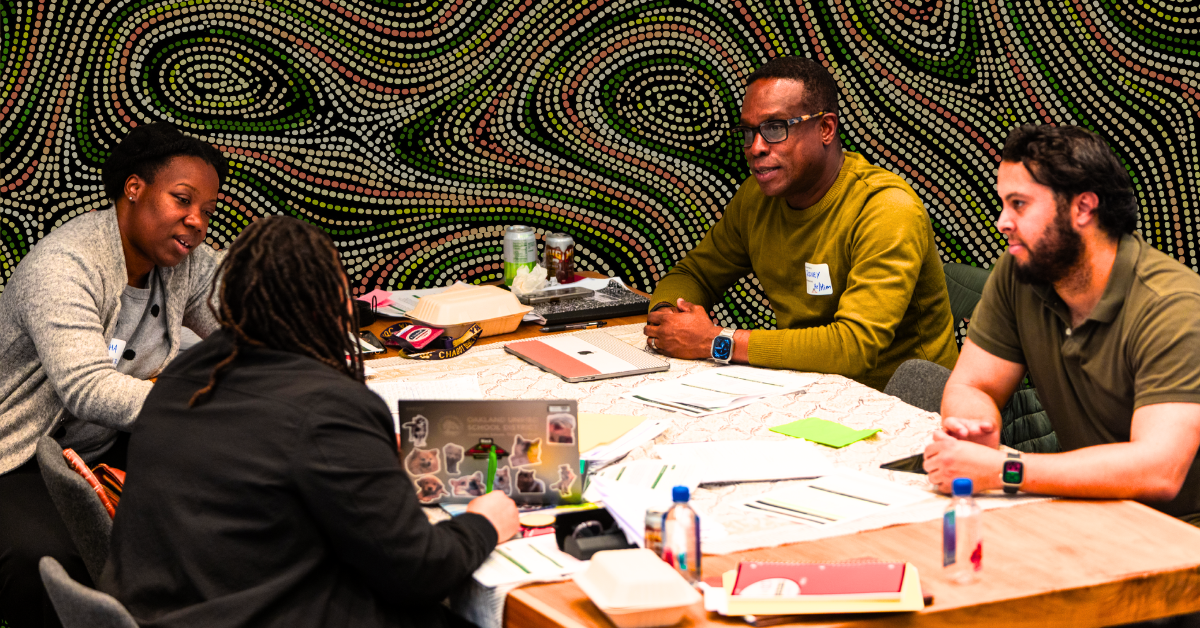

May came with many opportunities to reflect on what it means to support and sustain ourselves, both individually and collectively.
Throughout the month, educators across the U.S. were celebrated during Teacher Appreciation Week (May 4–8), while Black Teacher Appreciation Day (May 7), established by the Center for Black Educator Development, created intentional space to honor the impact, leadership, and lasting contributions of Black teachers across generations, communities, and learning spaces. That recognition matters. In a profession shaped by inequitable conditions and extractive systems that often ask so much while giving so little in return, acknowledgement of Black teachers itself can be affirming, grounding, and restorative.
Alongside these moments of recognition came another important invitation to reflect not only on what Black educators give, but on what they carry. As Mental Health Awareness Month unfolded, conversations around rest, healing, balance, and care invited deeper reflection on what wellbeing truly requires for those who spend so much of their lives nurturing, guiding, supporting, and showing up for others.
At the Black Teacher Project, we believe care is part of what appreciation looks like in practice. To us, honoring the genius, labor, and leadership of Black teachers must include meaningful investment in the wellness, community, and healing-centered support that help Black educators remain, thrive, and stay in the work.
That belief lives across every affinity-based learning space, BTP Fellowship cohort, convening, Wellness Grant, and restorative space we’ve hosted or supported since our start. It is rooted in our understanding that wellness is not something Black teachers should have to navigate alone, and that spaces held by peers who “get it” can themselves become powerful sources of restoration, affirmation, and collective thriving.
Through this month’s #BlackTeacherWellness Looks Like… campaign, we’ve continued naming and affirming this belief through stories shared by Black educators who have relied on and returned to the communal support of BTP while navigating the emotional, mental, and relational realities of teaching.
Across each story is the same shared truth. What helps Black teachers stay is rarely individual endurance alone. It is support. It is affinity. It is community.
The Conditions Behind Retention
The conversation around Black teacher retention often begins with numbers. But behind every statistic is a Black educator navigating the emotional, intellectual, and relational realities of teaching while trying to remain connected to themselves, their students, and the reasons they entered the profession in the first place.
Research continues to affirm both the importance of Black teachers and the conditions shaping whether many are able to remain in education long term. In Facing the Rising Sun: Black Teachers’ Positive Impact Post-Brown, researcher and BTP Board Member, Travis J. Bristol, and co-author, Desiree Carver-Thomas, highlight both the profound impact Black educators have on students and the pressures contributing to burnout and attrition. Their research notes that the percentage of Black teachers in the U.S. declined from 8.6% in 1990 to 6.1% in 2020, while also affirming the lived realities of many educators who continue carrying disproportionate emotional labor and expanded responsibilities beyond the classroom.
These realities make clear that wellness cannot be treated as separate from the work of sustaining Black educators. Mental health support, reflection, affinity spaces, and opportunities for meaningful connection are not luxuries. They are part of the conditions that help Black teachers continue, thrive, and remain connected to themselves and one another.
Community itself can be a form of wellness support.
Throughout this month, our #BlackTeacherWellness Looks Like… campaign centered stories from Black educators reflecting on the ways community, care, affirmation, and connection have supported them throughout their personal and professional journeys. Across each reflection was the same reminder: wellness is not always something we find alone. Sometimes it is built and sustained through the people, spaces, and relationships that help Black teachers feel seen, supported, and able to continue in the work.
“You Don’t Have to Carry It Alone”
For veteran educator Lisa Harton, one of the most transformative aspects of finding the Black Teacher Project was discovering that support could exist in community rather than only through self-reliance.
Before BTP, Harton describes teaching as a cycle of constant output and exhaustion. “It’s like Sisyphus,” she reflects. “You kill yourself, you give 110%, and it’s the same thing the next year.” Even as her students continued to grow and succeed, the cost of sustaining that level of labor became increasingly visible in her own life. “My health was failing, my hair had fallen out, I couldn’t sleep.”
What shifted through BTP was not simply access to professional learning, but access to spaces that affirmed her humanity alongside her effectiveness as an educator.
“You have to prioritize self,” she says. “You have to make sure that you’re okay, so that everybody else is okay.” Equally important, she says, was what happened relationally. “It took away the feeling of isolation that I had.”
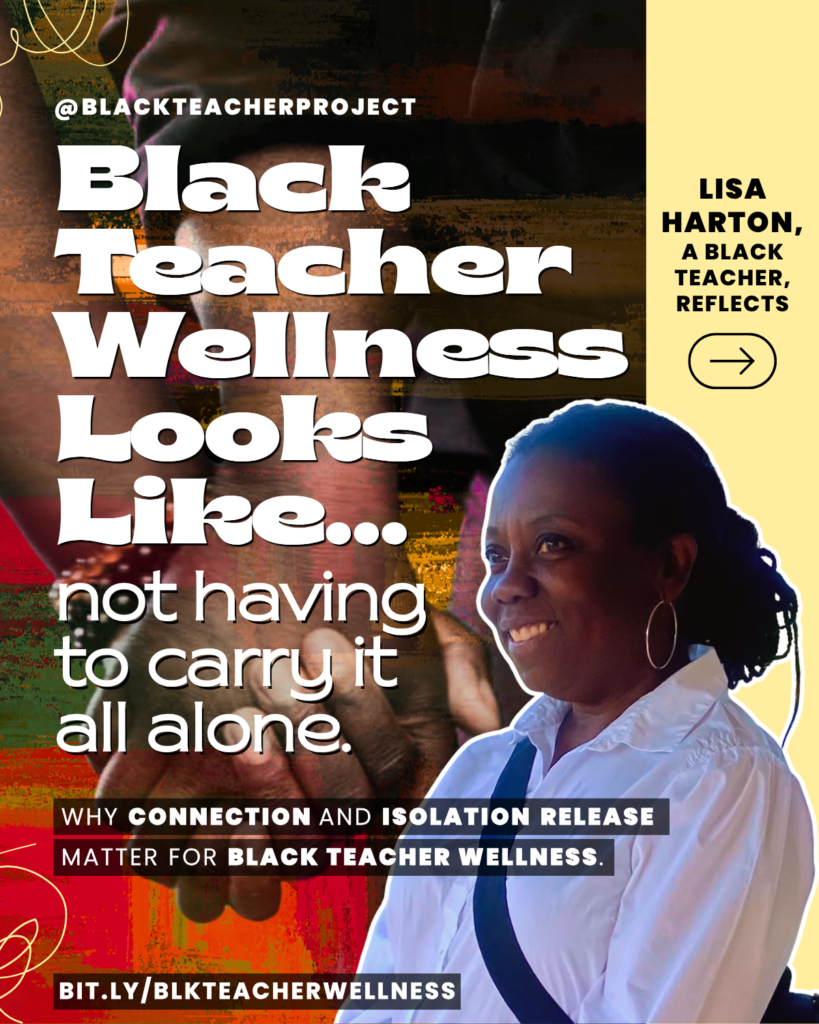
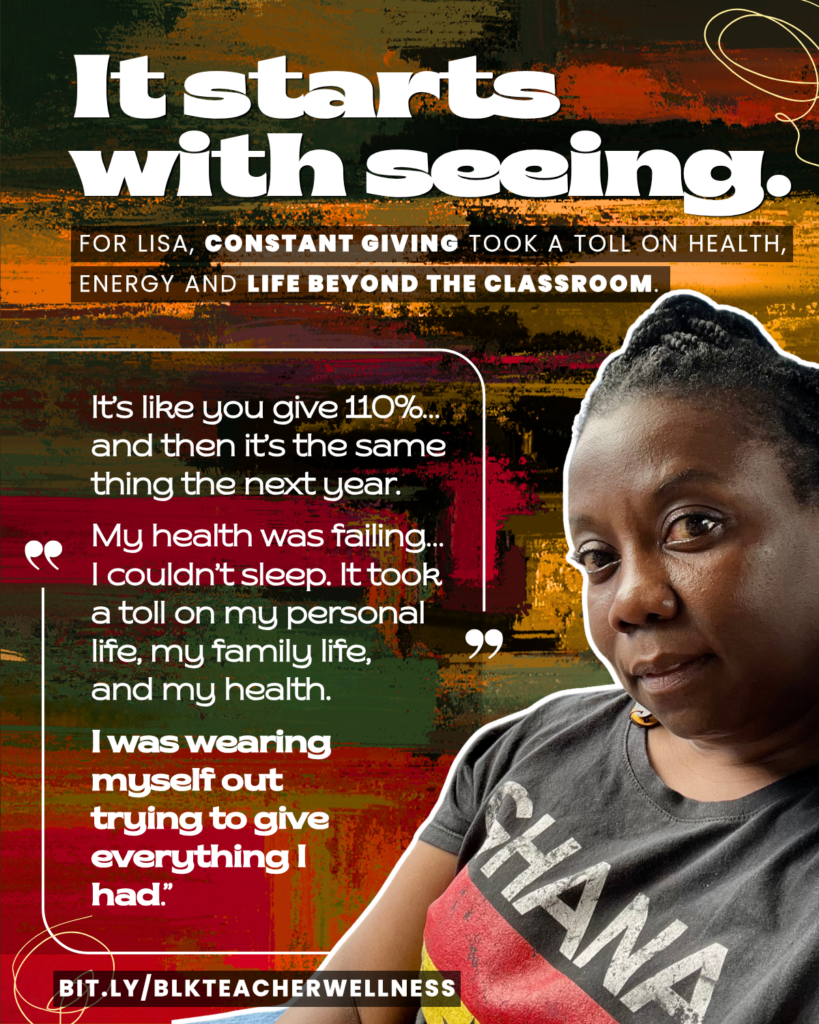
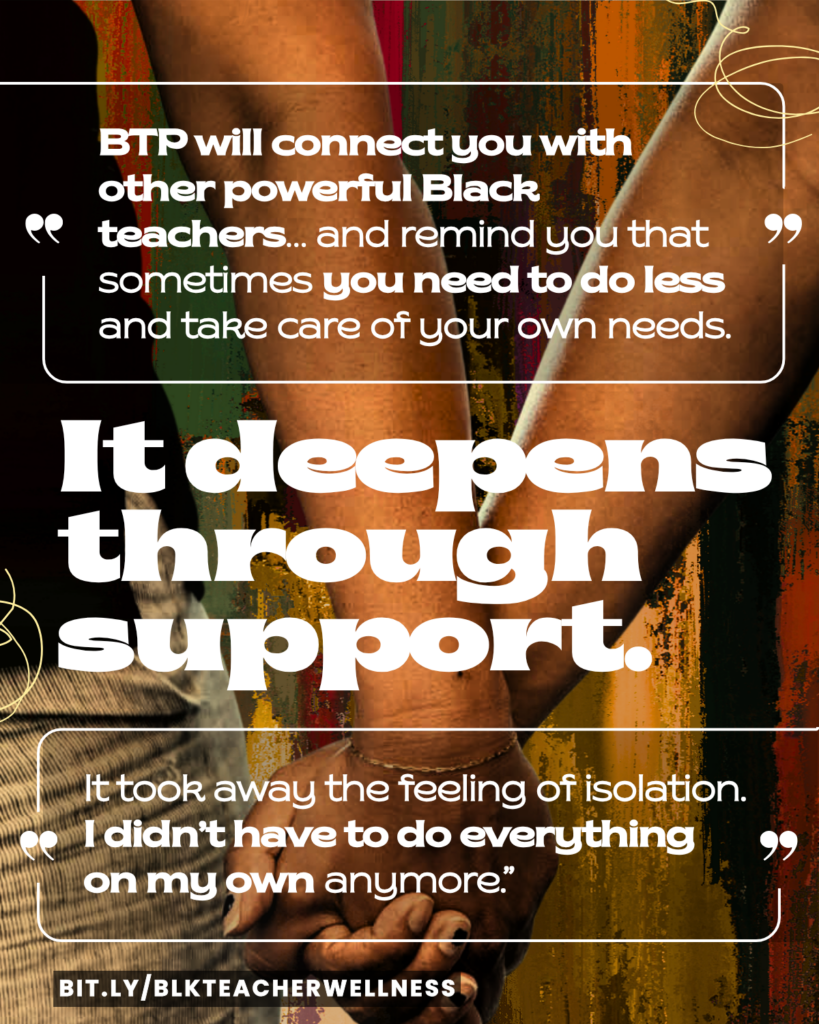
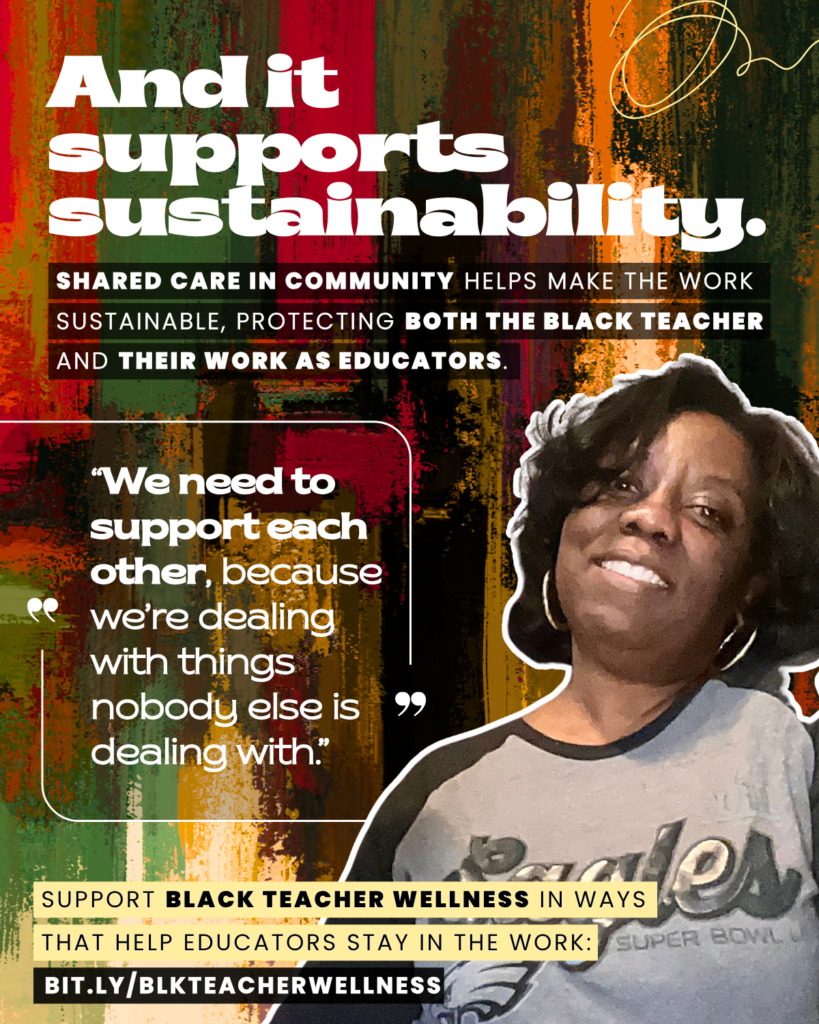
For years, Harton had approached teaching through endurance and independence, believing she simply had to carry the work alone. BTP helped her interrupt that pattern. “The [BTP] Project is like, no, you don’t have to live like that.”
Somewhere You Return To
For Oakland-based Black educator and creative Solas Laglee, one of the most meaningful aspects of BTP was that wellness itself was centered rather than treated as secondary to instructional performance.
“It wasn’t actually focusing on the pedagogical aspects,” he explains. “It was focusing on the sustainability.”
That distinction mattered during his early years in the classroom, when the emotional and financial realities of becoming a teacher began colliding with the intensity of the work itself. “It was hard being a new teacher,” he reflects. “You wonder if you’re going to make it. That’s where the burnout happens.”
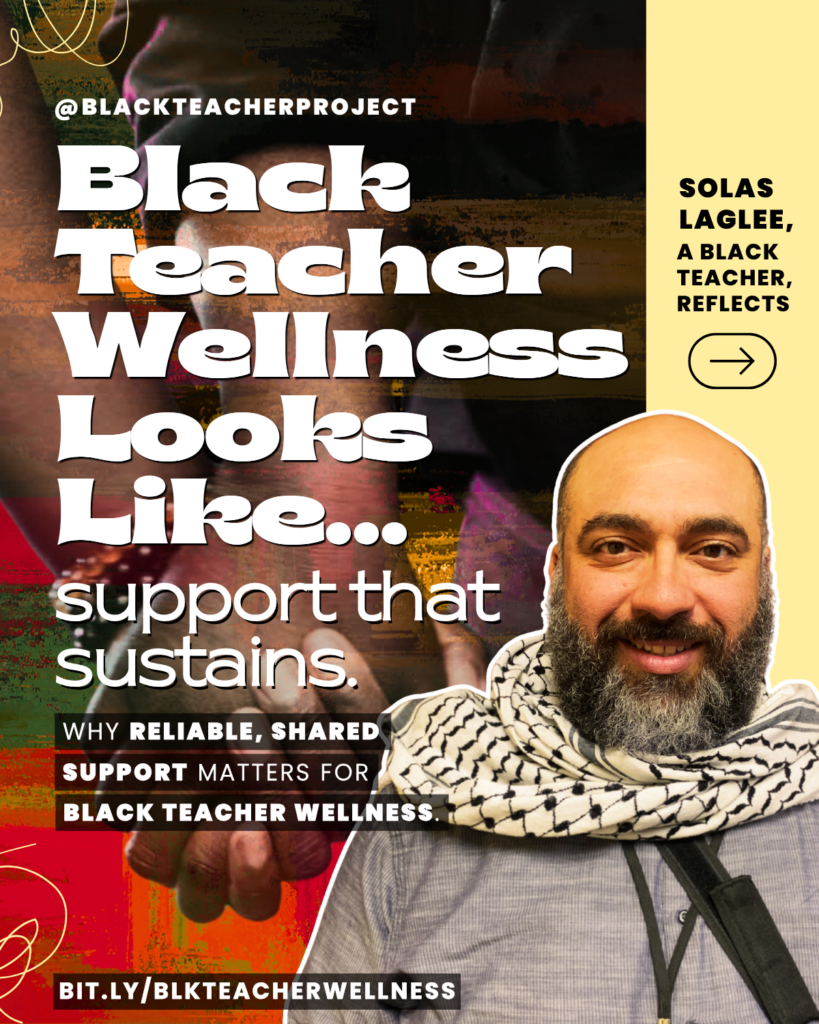
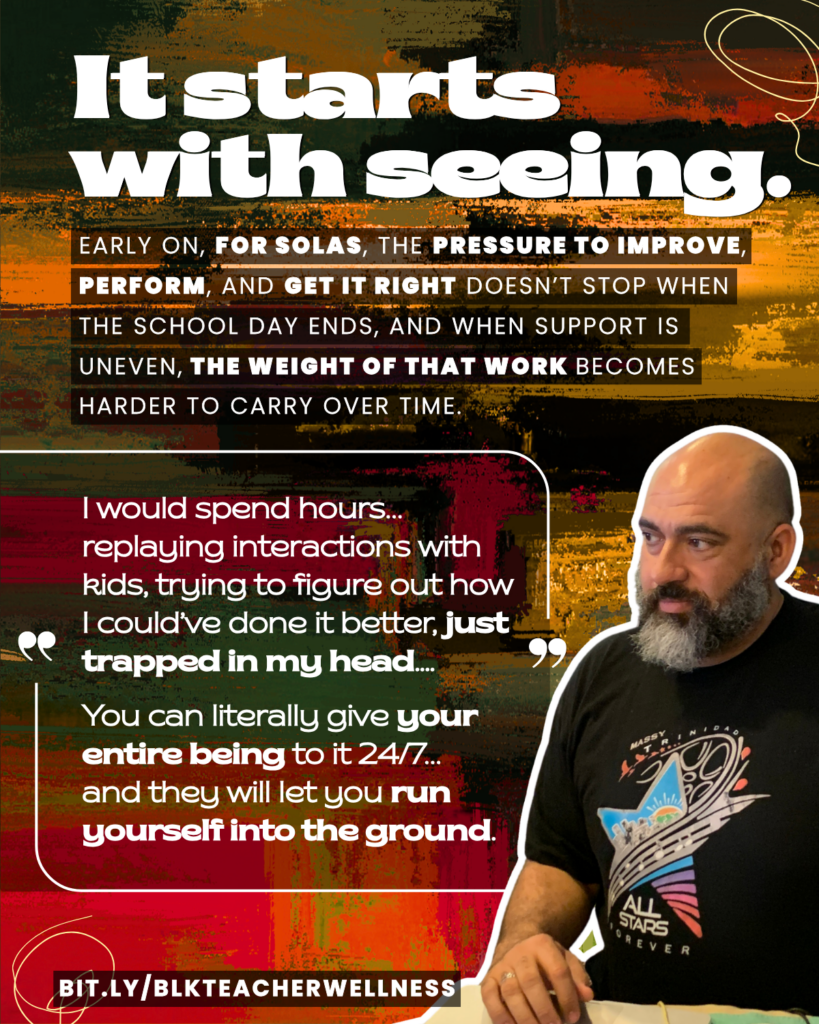
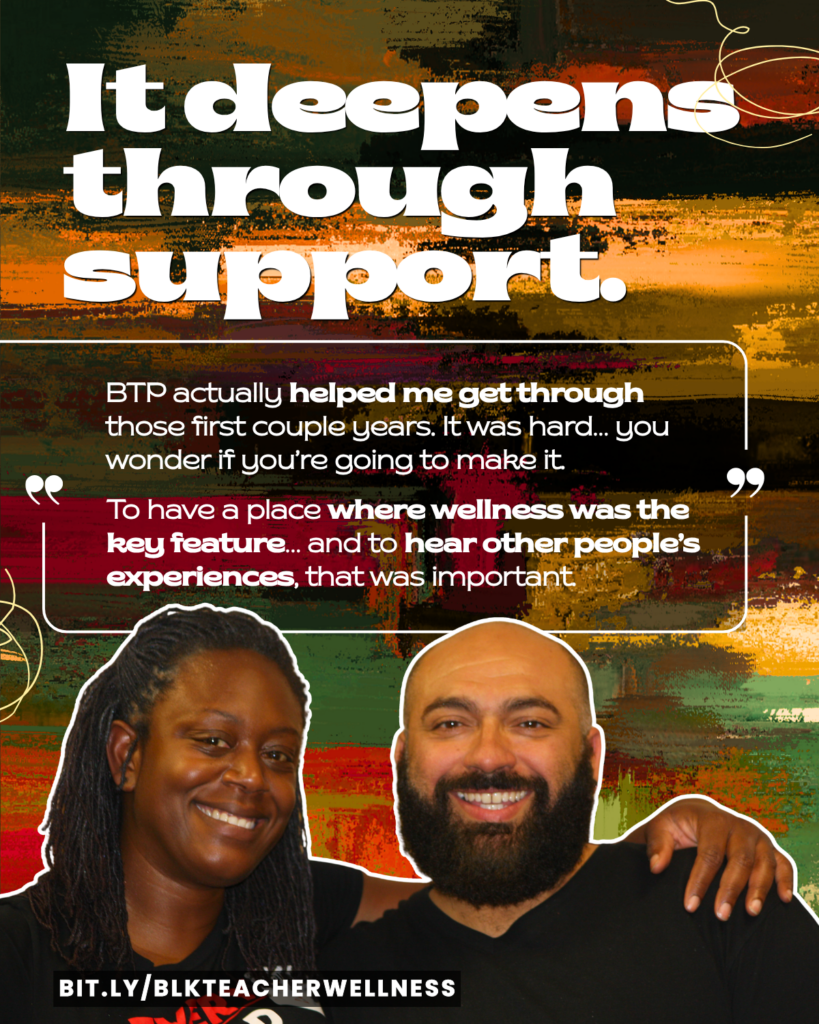
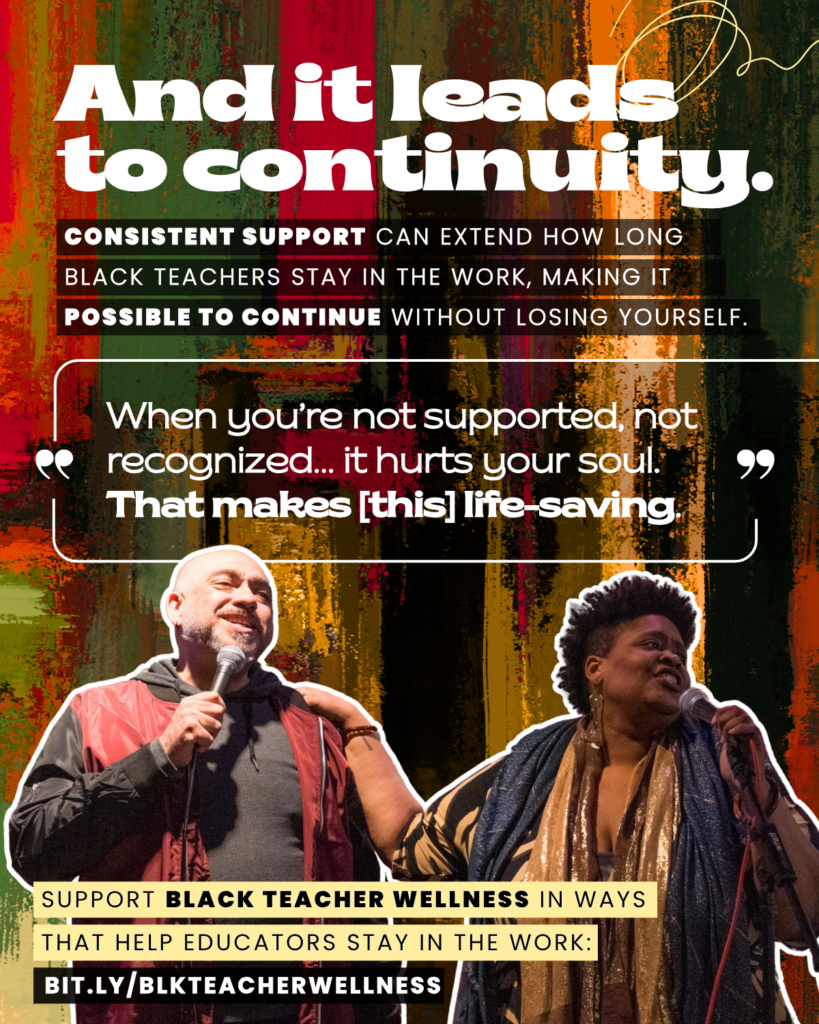
What the Black Teacher Project offered Solas instead was a place where Black educators could process the realities of teaching without performance. “The ability to find resonance was important,” he says. “And also sometimes it’s just woosah and let it out.”
What Solas describes is not simply a professional network. It is the experience of having somewhere to return to where the realities of the work can be named honestly and carried collectively.
Finding Community In the Work
For Black educator Spencer Pritchard, teaching has brought purpose and fulfillment while also revealing how isolating the profession can become without spaces for affinity, honesty, and support.
“The career is very fulfilling,” he reflects, “but you’re very much isolated.” As a young Black educator entering the field, much of Spencer’s life became consumed by trying to sustain the demands of teaching. At the same time, he found himself searching for spaces where he could connect with other Black educators who understood both the realities of the work and the systems shaping it.
“I definitely felt the lack of community,” he says. “I was really seeking that out.” What Spencer found through BTP was more than professional development. It was affirmation, resonance, and a network of Black educators who reminded him he was not navigating the work alone.
“It’s very easy to want to just stop,” he says, “but this made me feel like there’s a network around us that wants to hold and support us… community-wise.” That experience later inspired him to help create Black affinity spaces for other educators in his district.
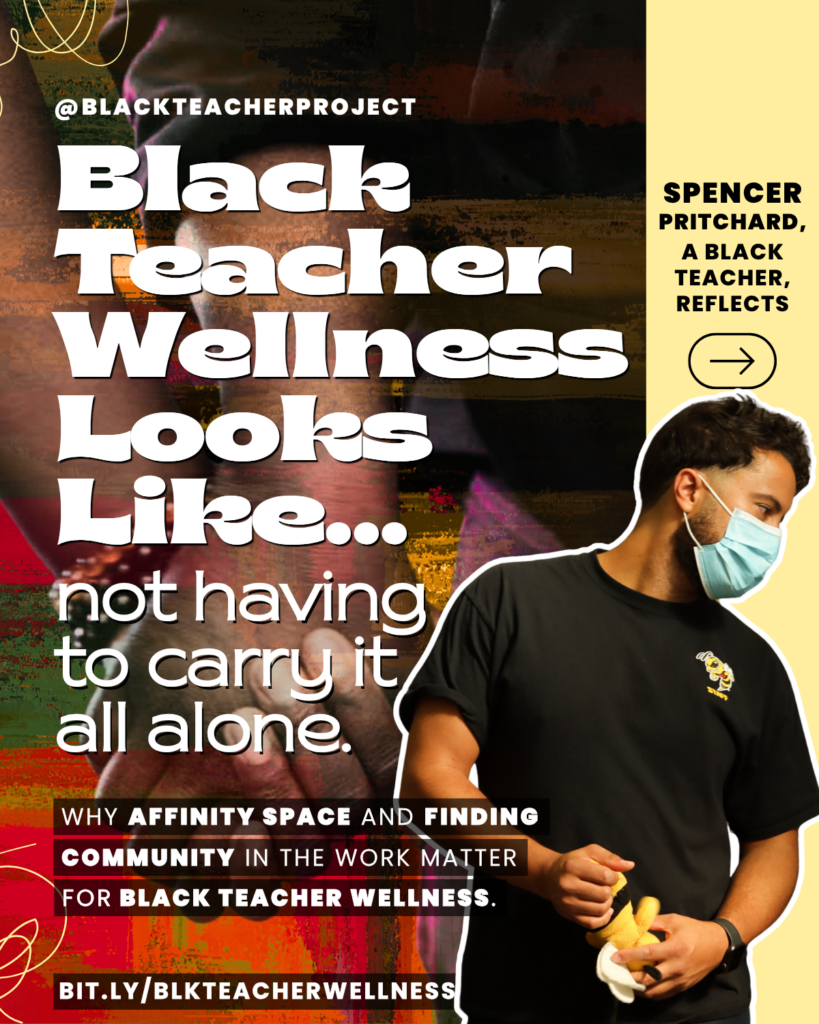
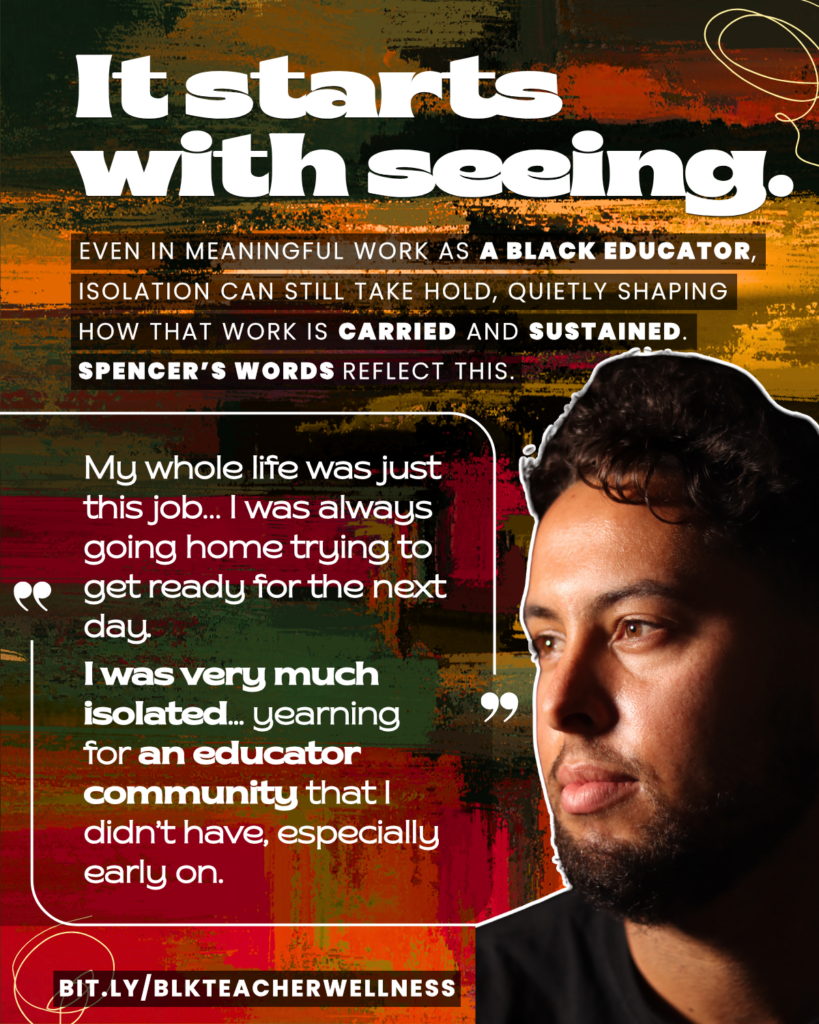
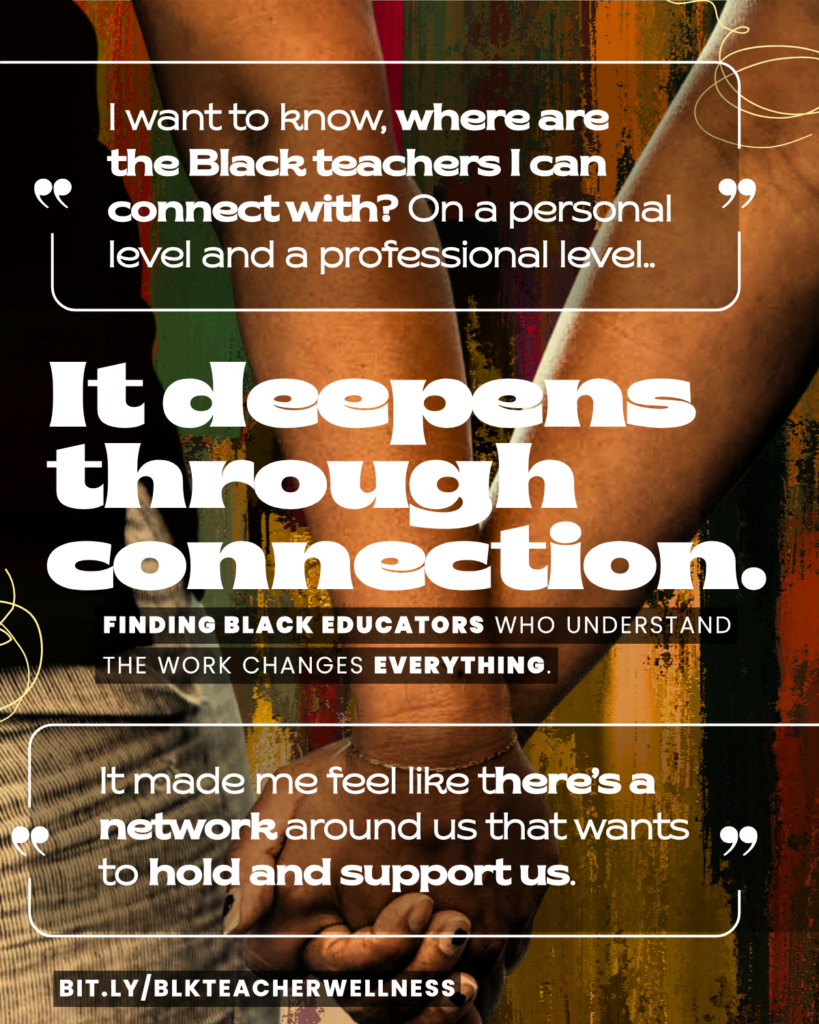
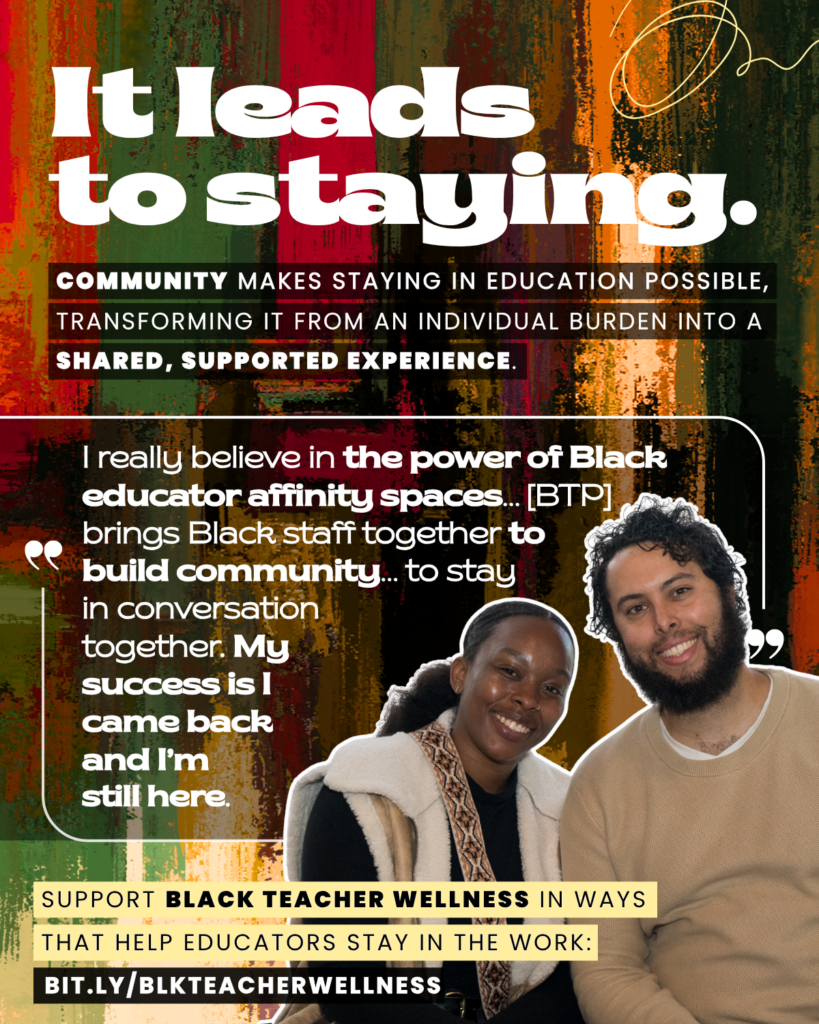
What these stories collectively reveal is that Black teacher wellness is not built through individual resilience alone. Again and again, Black educators name the importance of spaces where they can be honest without explanation, supported without performance, and reminded that they do not have to carry the realities of the work by themselves.
Across the reflections shared during the campaign and in the shared affinity spaces we host in-person and virtually is the same underlying truth that community, care, affirmation, and affinity are not separate from sustaining Black educators. They are a core wellness support and part of what makes it possible to continue in education.
Because what helps Black teachers stay is not endurance alone. Sometimes, it is simply having spaces where they can exhale, be seen fully, and return to themselves and one another.
Help sustain the spaces, care, and community that help Black teachers continue and thrive. Support Black teacher wellness today.