

Sankofa is a word, a symbol, and a philosophy from the Akan people of Ghana that translates to “reach back and get it.” It has grounded our work at Black Teacher Project for the past decade, reminding us that the past is not something to leave behind, but something to return to for wisdom. When we look at Black history through the lens of Sankofa, a rhythm begins to emerge. Across generations, places, and circumstances, Black communities have answered exclusion with cooperation, scarcity with generosity, and injustice with collective care.
That rhythm runs through every chapter of Black history. It has sustained hope when hope felt distant, preserved culture in the face of erasure, and transformed shared struggle into shared possibility. Through mutual aid, cooperation, and collective investment, Black communities built institutions where none existed, expanded opportunity where doors remained closed, and reminded one another that our greatest strength has never come from what one person could accomplish alone. It has always come from what we have been willing to build together.
This Black Philanthropy Month, Sankofa invites us to reach back and remember that collective care has never been an afterthought in Black history. It has always been one of the forces carrying us forward. The greatest inheritance in Black history was never simply what our ancestors built. It was the rhythms they taught us to keep to keep going. As we continue that tradition this August, we invite everyone reading to carry its rhythm into the future by investing in the learning, growth, and wellness of Black educators whose leadership, care, and brilliance continue to shape generations.
The First Rhythm: Mutual Aid
In 1780, while slavery remained entrenched throughout much of what would become the United States, a group of free Black people in Newport, Rhode Island established the Free African Union Society, the first known voluntary mutual aid society created by and for Black Americans. Its purpose, to ensure that no member of the community would face hardship alone, was beautifully simple and profoundly radical.
Members contributed what they could to care for neighbors during illness, unemployment, and loss. They ensured dignified burials, supported widows and orphans, preserved community records, and even helped enslaved apprentices work toward purchasing their freedom. At a time when public institutions routinely denied Black people dignity and opportunity, they built an institution of their own rooted in shared responsibility.
The Free African Union Society did not emerge because Black communities had abundance. It emerged because they understood that survival required cooperation. Its greatest contribution was not simply the resources it pooled, but the certainty it created. The certainty that someone would be there and the certainty that every contribution, no matter how small, strengthened the whole community.
This is one of the earliest expressions of the rhythm we encounter in Black history. Not extraordinary generosity from a select few, but ordinary people choosing one another consistently.
The Rhythm Endures
That rhythm did not stop in Newport. Across Black history in the U.S., communities continued returning to one another whenever exclusion demanded new forms of possibility. Mutual aid societies multiplied throughout the Northeast. Churches became centers of spiritual life, education, and economic support. Benevolent associations provided assistance during hardship. Sou-sous and esusu savings circles helped families pool resources and build wealth together. Burial societies preserved dignity. Black farmers organized cooperatives to protect their land and livelihoods. Credit unions and housing cooperatives emerged when discriminatory institutions denied Black communities access to opportunity.
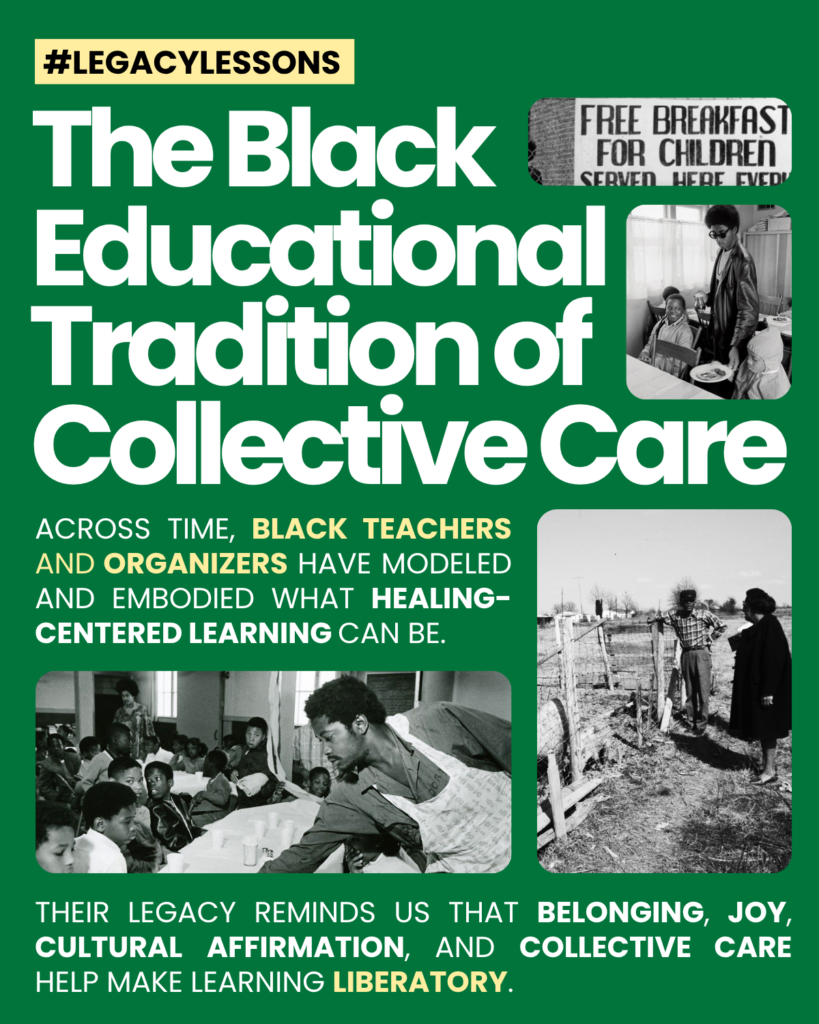
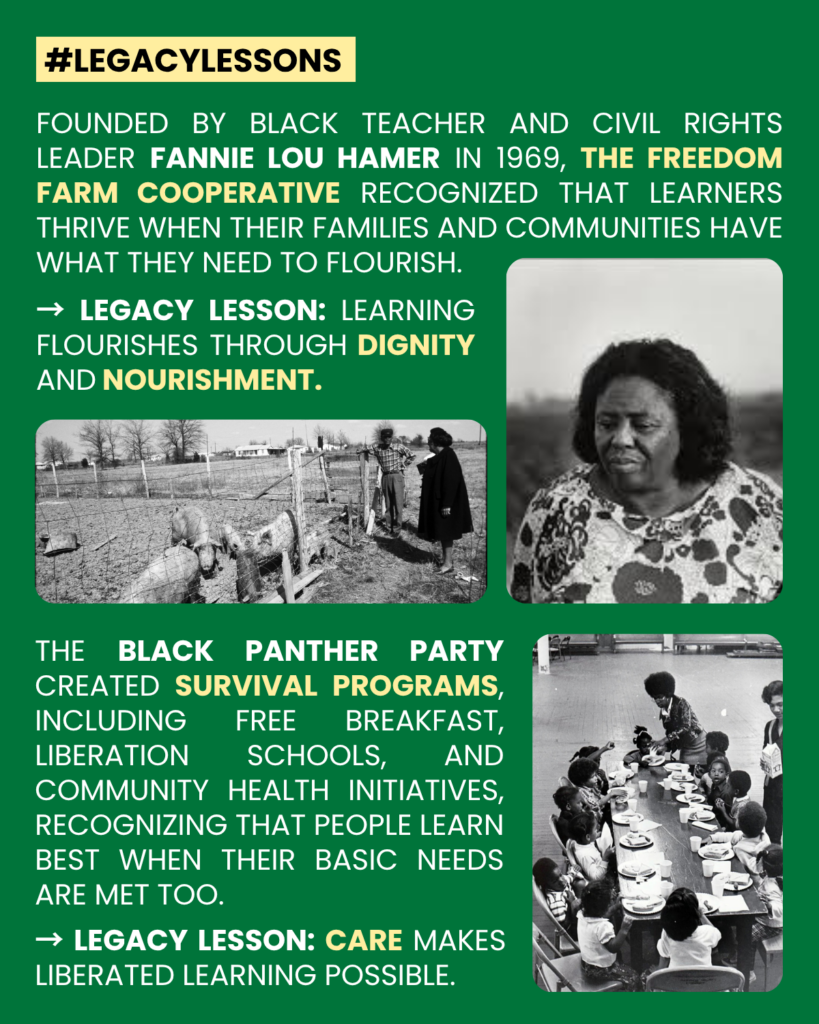
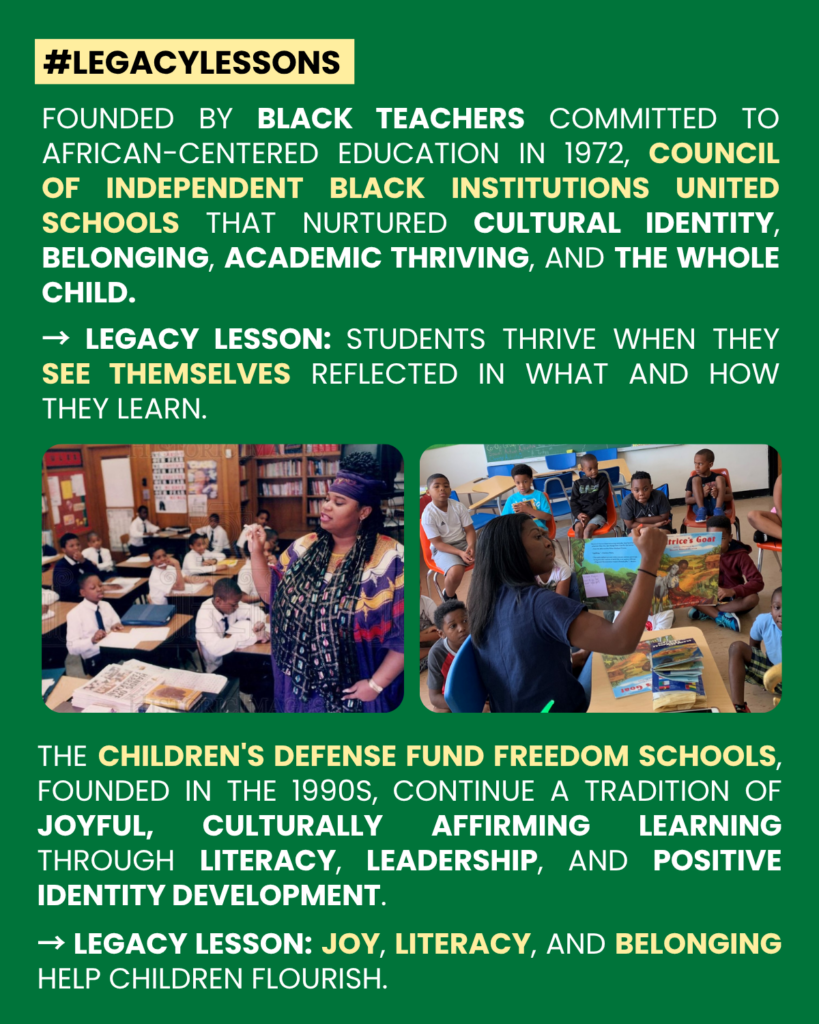
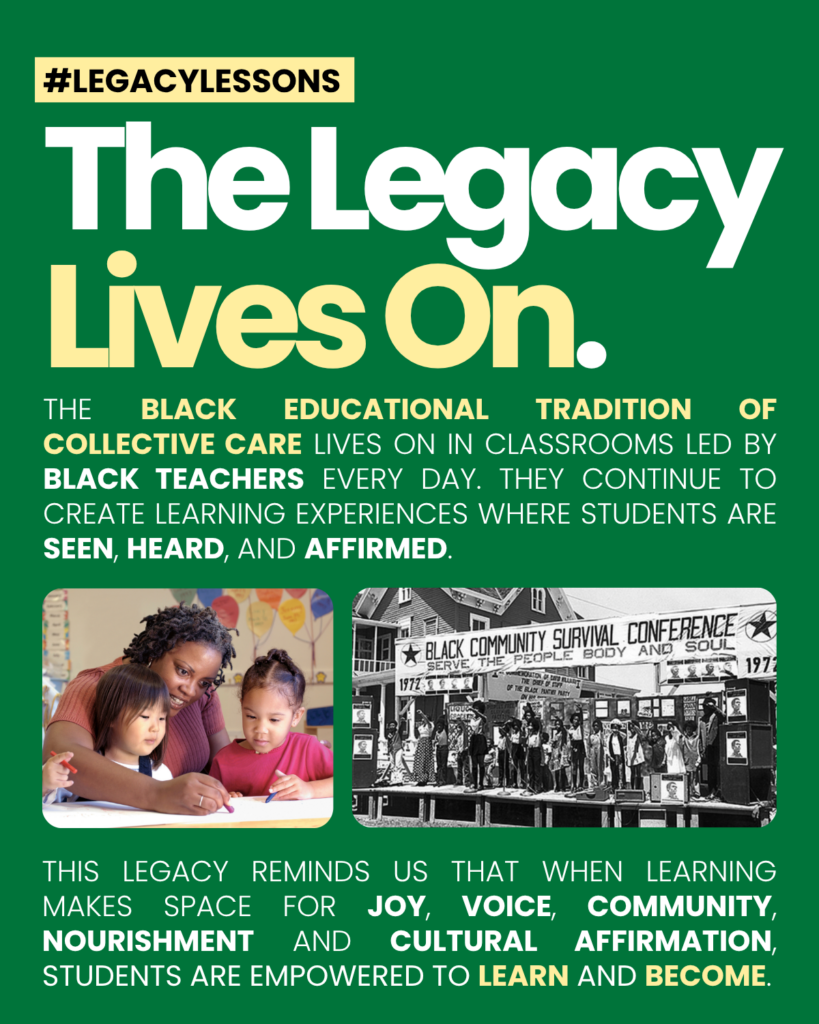
Different places and different generations, but the rhythm remained. Each recurring contribution reflected a shared belief that collective investment could accomplish what individual effort alone never could. Throughout Black history, these acts were rarely understood as charity. They were commitments made to neighbors, children, elders, and future generations. Every contribution, whether money, time, food, knowledge, or labor, became part of something larger than the individual who offered it. Collective care was never simply about meeting today’s need. It was about creating tomorrow’s possibility.
Carrying the Rhythm
That same rhythm continues today. Throughout Black history, Black communities have never invested in one another simply to survive the present. They have invested so the next generation could inherit something better. Few investments have shaped Black history more profoundly than investing in Black education. Black teachers have long nurtured identity, cultivated belonging, expanded possibility, and helped young people imagine futures beyond the limits imposed upon them. Supporting Black educators, then and now, has always been an investment in generations yet to come.
At Black Teacher Project, we see our work as part of this much longer tradition. We believe every child deserves a Black teacher, and we know that Black teachers thrive when they are surrounded by community. We nurture that through identity development, wellness programming, leadership opportunities, affinity spaces, and communities of inquiry and practice that help Black educators grow, lead, and remain in the profession.
That is why monthly giving matters. Our community of monthly supporters embodies the same rhythm of collective care that’s been our precedent. Like every contribution made to the mutual aid societies that came before us, every recurring gift joins with others to create something no single act of generosity could accomplish alone. Together, they help sustain Black educators as they heal, lead, teach, and continue transforming the lives of students, schools, and communities.
Sankofa asks us to reach back and get it. Black history reminds us what we are reaching for. A rhythm of one generation caring for the next and one community investing in another. Countless ordinary acts of collective care became the foundation for something none of us could build alone.
This Black Philanthropy Month, we invite you to step into that rhythm. Become a monthly supporter of Black Teacher Project and help sustain the Black educators whose leadership continues to shape generations. Because every child deserves a Black teacher, and every Black teacher deserves the community and support to help them thrive.